
Conditions We Treat in Women

B3 – 8 copy

Interstitial Cystitis | Insights into Management and Lifestyle

Differentiating Pudendal Nerve Entrapment (PNE) from Other Pelvic Conditions Diagnosing pudendal nerve entrapment can be challenging because its symptoms often mimic those of other pelvic disorders, such as: Piriformis syndrome Interstitial cystitis Vulvodynia Prostatitis Interstitial Cystitis (IC), alternatively known as Painful Bladder Syndrome, is a chronic, often debilitating condition characterized by recurring pain or discomfort […]

Interstitial Cystitis | Insights into Management and Lifestyle Read More »
What Causes Vaginal Spasms - A Comprehensive Guide for Women

What Causes Vaginal Spasms: A Comprehensive Guide for Women

Vaginal spasms, also known as vaginal cramps or vaginismus, is a condition characterized by involuntary muscle spasms of the pelvic floor muscles, leading to discomfort or pain during vaginal penetration. Estimates suggest that approximately 1% to 7% of women experience vaginismus, though some studies indicate the prevalence may be as high as 17% due to

What Causes Vaginal Spasms: A Comprehensive Guide for Women Read More »

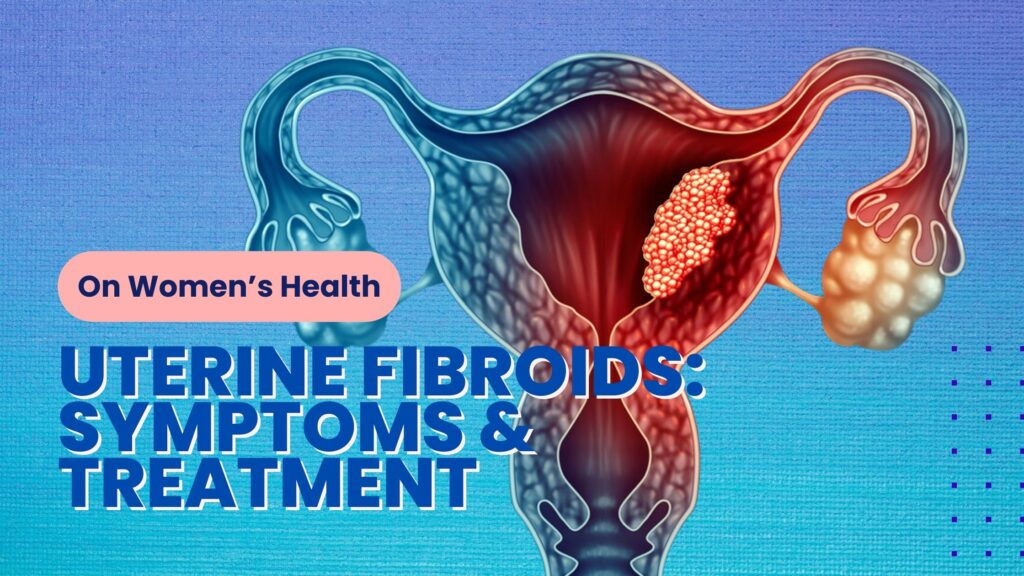
Uterine Fibroids Symptoms & Treatment

Uterine Fibroids: Questions on Symptoms, Treatment, & More

Uterine fibroids, also known as leiomyomas or myomas, are benign tumors that develop within the muscular wall of the uterus. These growths are incredibly common, affecting many women, especially during their reproductive years. While they are typically not cancerous, fibroids can cause a range of symptoms and potential complications.  Fibroids can vary widely in both

Uterine Fibroids: Questions on Symptoms, Treatment, & More Read More »

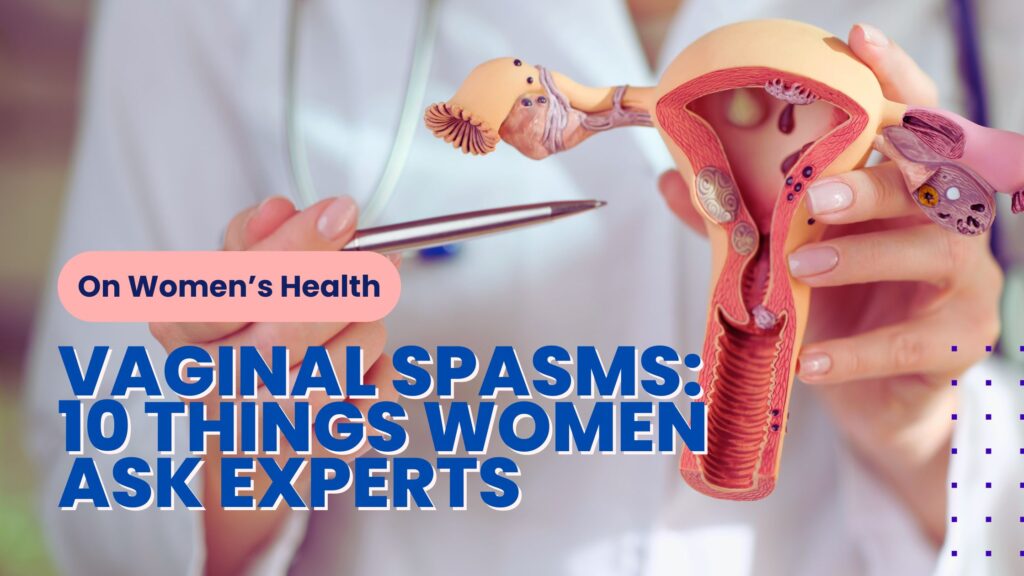
Vaginal Spasms, Top 10 Things Women Want to Ask Experts

Understanding Vaginal Spasms (Vaginismus): Top 10 FAQs

Vaginal spasms, clinically known as vaginismus, represent a complex and often misunderstood condition. This involuntary tightening of the pelvic floor muscles, especially around the vaginal area, can cause pain, discomfort, and challenges with penetration. The condition can affect many areas of a woman’s life, including physical well-being, emotional health, relationships, and sexual function. To help

Understanding Vaginal Spasms (Vaginismus): Top 10 FAQs Read More »

AZCCPP - Physical Therapy for Pelvic Pain - Physiotherapy for Chronic Pelvic Pain A Path to Lasting Relief (Empowering You to Reclaim Comfort and Control)

Physiotherapy for Chronic Pelvic Pain: A Path to Lasting Relief (Empowering You to Reclaim Comfort and Control)

If you’re searching for physiotherapy for chronic pelvic pain, you’ve found a proven, non-invasive path to relief. At AZCCPP, our pelvic health specialists target the root causes—tight muscles, nerve irritation, and movement imbalances—to help you move, live, and thrive without constant discomfort. Understanding Chronic Pelvic Pain Chronic pelvic pain (CPP) is a persistent discomfort in

Physiotherapy for Chronic Pelvic Pain: A Path to Lasting Relief (Empowering You to Reclaim Comfort and Control) Read More »

Vulvodynia

Vulvodynia | A Comprehensive Guide

Differentiating Pudendal Nerve Entrapment (PNE) from Other Pelvic Conditions Diagnosing pudendal nerve entrapment can be challenging because its symptoms often mimic those of other pelvic disorders, such as: Piriformis syndrome Interstitial cystitis Vulvodynia Prostatitis Vulvodynia is a chronic pain condition affecting the vulvar area in women, known for its potential to substantially impact the quality

Vulvodynia | A Comprehensive Guide Read More »

On Women’s Health - Understanding Pelvic Congestion Syndrome and the Role of Vein Embolization

Understanding Pelvic Congestion Syndrome and the Role of Vein Embolization

Pelvic congestion syndrome (PCS) is a chronic condition characterized by varicose veins in the pelvic region. It primarily affects women and can cause significant discomfort and pain. While various treatment options exist, vein embolization has emerged as a minimally invasive and effective approach to alleviating pelvic pressure and improving quality of life.  What is Pelvic

Understanding Pelvic Congestion Syndrome and the Role of Vein Embolization Read More »

Pelvic Congestion Syndrome in Women 10 Common Questions Answered

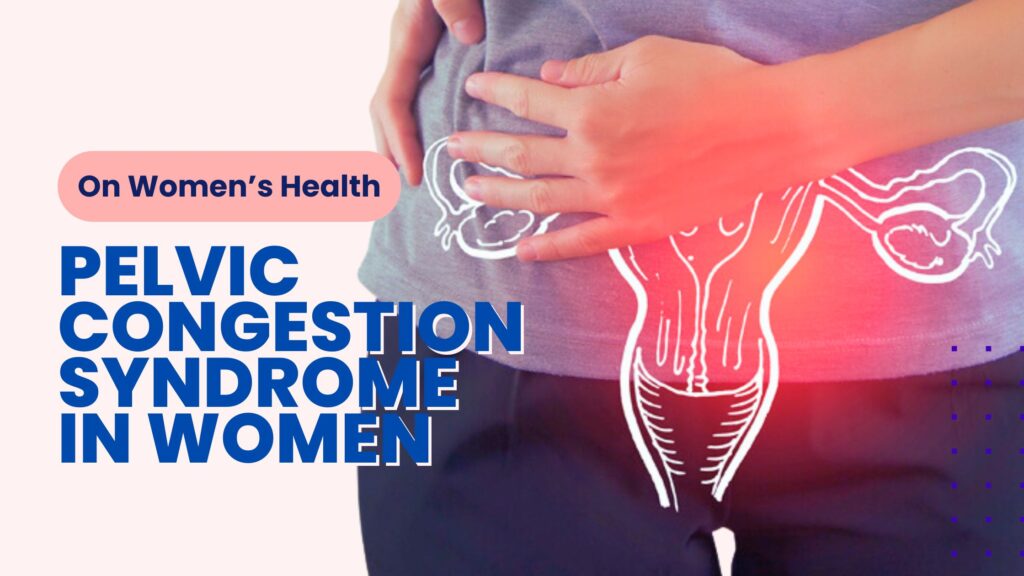
Pelvic Congestion Syndrome in Women: 10 Common Questions Answered

Pelvic congestion syndrome (PCS), also known as pelvic venous insufficiency, is a frequently misunderstood and underdiagnosed condition affecting women. Characterized by chronic pelvic pain, PCS can significantly impact a woman’s quality of life.   The term “chronic” refers to discomfort that persists for more than 6 months and is not related to either the menstrual cycle

Pelvic Congestion Syndrome in Women: 10 Common Questions Answered Read More »

On Women’s Health - Hormone Treatments to Reduce Pelvic Vein Congestion A Comprehensive Guide

Hormone Treatments to Reduce Pelvic Vein Congestion: A Comprehensive Guide

Pelvic vein congestion (PVC) is a prevalent yet often underdiagnosed condition affecting women. Characterized by enlarged veins in the pelvic region, it can lead to chronic pelvic pain, discomfort during intercourse, and a range of other debilitating symptoms. While several treatment options exist, hormone therapy has emerged as a promising avenue for managing PVC and

Hormone Treatments to Reduce Pelvic Vein Congestion: A Comprehensive Guide Read More »

Pelvic Floor Spasms: Top Questions Women Are Scared to Ask

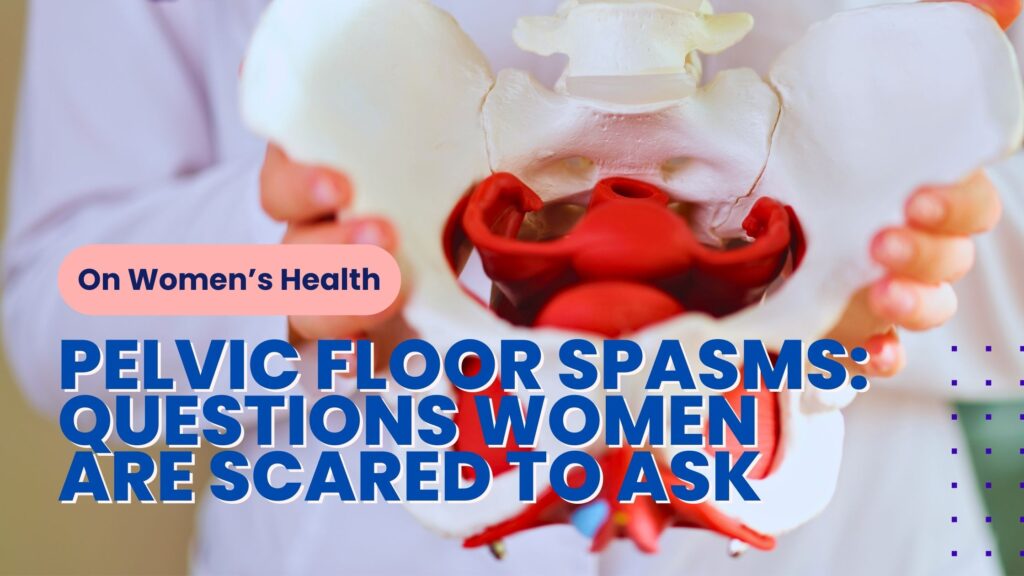
Pelvic Floor Spasms: Top Questions Women Are Scared to Ask

Pelvic floor spasms, often called pelvic floor muscle spasms, are involuntary contractions of the muscles that support the pelvic organs. These spasms can lead to significant discomfort and disrupt daily activities. Despite their prevalence, many women hesitate to discuss this condition due to embarrassment or lack of information. This article aims to shed light on

Pelvic Floor Spasms: Top Questions Women Are Scared to Ask Read More »

Scroll to Top